Airborne BMX is all about turning ramps and open air into opportunities for impressive BMX stunts. A successful jump depends on more than simply reaching the ramp. Players need to approach with control, choose the right moment to launch, and prepare the bike for everything that happens afterward.
Every jump creates a short window in which speed, balance, and movement need to work together.
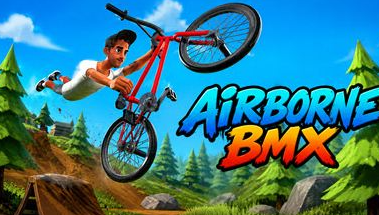
The run toward the ramp determines how much momentum the BMX carries into the jump. Maintaining a controlled speed gives players a better starting point for aerial movement.
Once airborne, players can control the bike and attempt flips or other stunt movements. The available airtime creates room for experimentation, but excessive movement can make the final landing harder.
The stunt is not finished when the trick is complete. Players need to bring the bike back into a stable position and align it with the track before touching the ground.
Learning one aerial movement at a time makes it easier to understand how the bike responds while airborne.
Once basic tricks become familiar, players can experiment with combinations. Linking movements can create more interesting sequences but also requires greater control.
There is always a point where another rotation or trick becomes unnecessary. Recognizing when to finish the stunt can prevent an impressive jump from ending in a crash.
A clean landing shows that the entire stunt was under control. Players can watch the bike's angle as it approaches the ground and make small corrections instead of waiting until the final moment.
If a jump repeatedly ends badly, changing the landing approach can be more useful than simply attempting a bigger trick.
A crash can reveal whether the problem started with the approach, aerial movement, or landing.
Changing one part of a stunt at a time makes it easier to understand what improves the result.
Once difficult jumps become familiar, players can focus on connecting several successful stunts into a more consistent ride.
Airborne BMX combines ramp launches, aerial tricks, and bike control into a straightforward stunt experience. The challenge comes from managing an entire jump from the first approach to the final touchdown. With practice, players can turn uncertain aerial movements into controlled tricks and cleaner BMX runs.